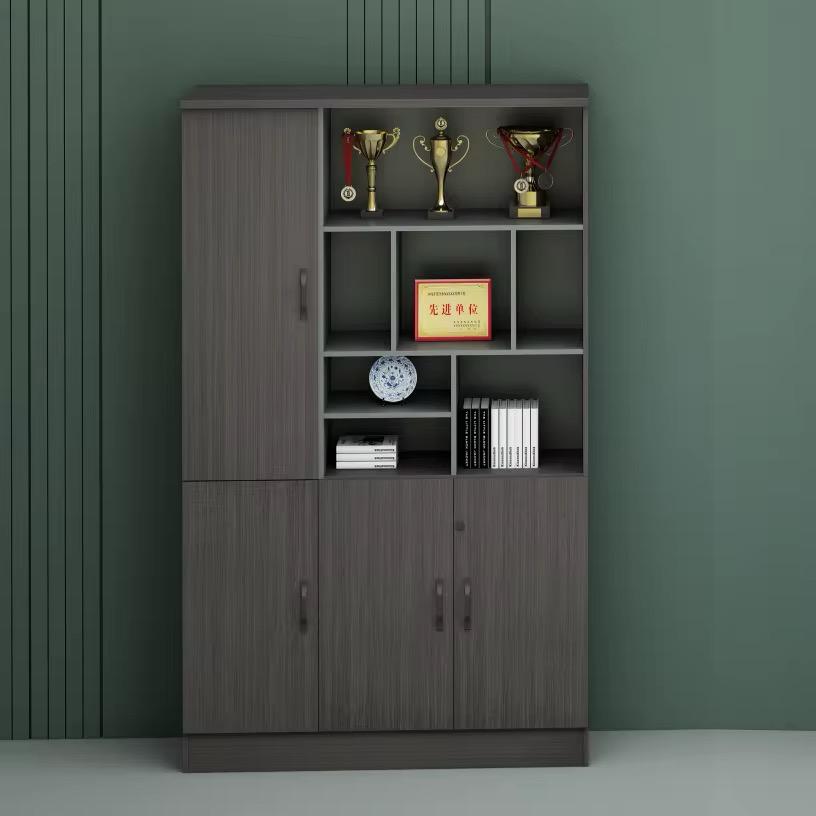
Elevate Your Shelfie: How to Style a Bookshelf Beyond Just Books

We’ve all seen them, those perfectly curated bookshelves on Pinterest that look more like art installations than storage units. Meanwhile, your own shelves might resemble a disorganized library sale or a cluttered catch-all.
The secret to a “designer” bookshelf isn’t just about the books; it’s about composition, texture, and personality.
If you’re ready to turn those dusty planks into a focal point, here is how to layer in style.

1. The Power of “Negative Space”
One of the biggest mistakes people make is cramming every inch with paperbacks. Your eyes need a place to rest.
The Rule of Thirds: Aim for 1/3 books, 1/3 decor objects, and 1/3 empty space.
Breathing Room: Don’t be afraid to leave the end of a shelf completely bare or feature just one small, impactful item.

2. Play with Orientation
Forget the standard vertical row. Mixing up how you display your books creates instant visual interest.
Horizontal Stacks: Turn a few books on their side to create “pedestals” for smaller decorative objects.
The “Forward” Look: If you have a book with a particularly stunning cover, lean it against the back of the shelf facing out, like a piece of art.

3. Incorporate Organic Elements
Natural textures soften the hard lines of a bookshelf and make it feel more “alive.”
Greenery: Trailing plants like Pothos or Philodendrons look incredible cascading down from a top shelf.
Natural Curiosities: Think driftwood, large seashells, or a cluster of crystals.

4. Mix in Meaningful Decor
This is where your personality shines. Treat your shelves like a mini-museum of your life.
Art: Lean framed prints or small canvases at the back of the shelf to add depth and color.
Vases and Bowls: Mix materials—ceramic, glass, and wood—to create a tactile experience.
Sculptural Objects: Brass figurines, vintage cameras, or even unique bookends act as the “jewelry” of your shelf.

5. Quick Styling Cheat Sheet
Trays Grouping: Use a small tray to corral tiny trinkets so they don’t look like “clutter.”
Lighting Mood: Add a battery-operated light or a small lamp to highlight a specific nook or area.
Color Cohesion: Group books by spine color for a bold, rainbow look, or turn them spine-in for a neutral vibe.
Always step back! After placing a few items, walk to the other side of the room to check the balance. If one side looks “heavy,” swap a bulky book for a light glass vase.
Turning the “Spare Room” into a Five-Star Sanctuary

We’ve all been there: staying at a friend’s house and realizing the “guest bed” is actually a lumpy pull-out sofa from 1994, and your “closet” is a corner shared with their suitcases and a vacuum cleaner.

If you want your guests to feel truly welcome, and perhaps never want to leave, you need to bridge the gap between “spare room” and “luxury suite.”

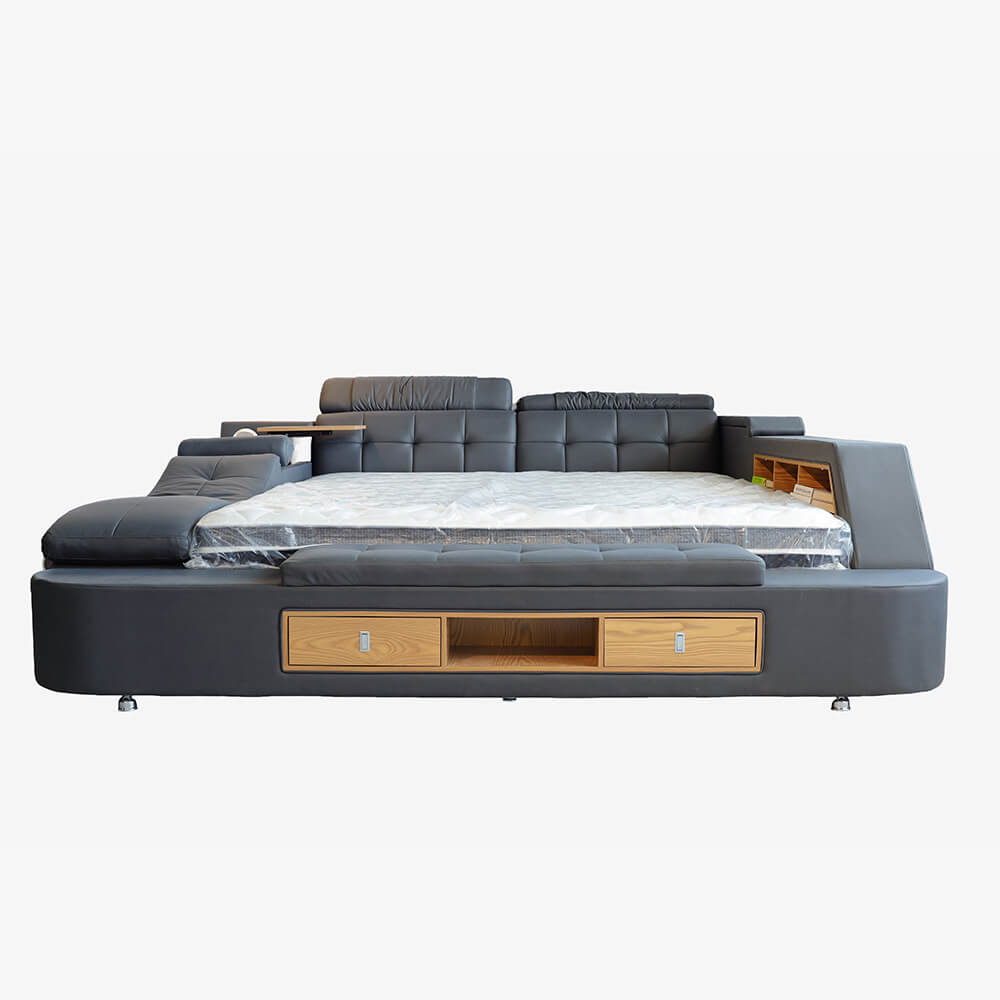
It all comes down to two pillars: The Sleep Experience and Smart Storage.

1. The Bed: The Heart of the Stay

The bed isn’t just a piece of furniture; it’s a promise of a good morning. Since you don’t know your guest’s exact preference (firm vs. soft), aim for a “luxury hotel” medium-firm feel.

Invest in a Hybrid Mattress: Combining memory foam with pocket springs offers the best of both worlds, support for the back and a soft landing for the joints.

The Power of Layers: Instead of one heavy duvet, use a breathable quilt and a folded throw at the foot of the bed. This lets guests control their own “micro-climate.”

The Pillow Menu: If you really want to flex your hosting skills, provide two firm and two soft pillows. It’s a small touch that makes a massive difference.

2. Storage: Give Them Room to Breathe

Living out of a suitcase is stressful. The goal is to let your guests “unpack” their anxiety along with their clothes.

The Closet: Clear out at least 25% of the space. Use matching wooden hangers for a high-end feel.

The Bed Frame: Choose a frame with built-in drawers underneath for extra linens or guest luggage.

The Nightstand: A surface is great, but a drawer is better for keeping “travel clutter” (earplugs, meds, chargers) out of sight.

The Luggage Rack: If space allows, a foldable luggage rack prevents guests from having to crouch on the floor to reach their bags.

The “Little Things” That Matter

Once the big furniture is set, it’s the hospitality hacks that seal the deal:

Tech Station: Don’t make them hunt behind the bed for an outlet. Place a power strip on the nightstand or use lamps with built-in USB ports.

The “Welcome Kit”: A small basket with a carafe of water, a clean towel, and the Wi-Fi password (written clearly!) saves them from that awkward 11:00 PM kitchen trek.

The Mirror: A full-length mirror is a guest room essential. It helps them get ready without hogging the shared bathroom.

Creating the ultimate guest experience isn’t about spending a fortune; it’s about anticipating needs. When you provide a supportive bed and a dedicated place for their belongings, you aren’t just giving them a room, you’re giving them a home away from home.

Ready to upgrade your space?

Level Up Your Hosting: The Art of the Tablescape

Whether you’re serving a quick Tuesday night pasta or hosting a multi-course anniversary dinner, the way you set your table sets the mood. It’s the visual “appetizer” that tells your guests exactly what kind of experience they’re about to have.

Here is a guide to mastering three essential table settings, from the “relaxed morning” to the “fancy centerpiece.”

1. The Casual Breakfast (or “Me-Time” Brunch)

This is all about comfort and functionality. You want it to look intentional but feel lived-in.

The Vibe: Sunny, breezy, and low-pressure.

The Essentials: A dinner plate, a bowl for cereal or fruit, a mug, and a juice glass.

The Pro Tip: Use a colorful cloth napkin instead of a paper towel. It’s an instant upgrade that takes zero extra effort.

Napkin: Left of the plate or tucked under the fork.

Flatware: Fork on the left, knife on the right (blade facing in).

Glassware: Top right of the plate.

2. The Mid-Week Dinner Party

You’ve invited a few friends over, the wine is breathing, and you want things to look “put together” without feeling stiff.

The Vibe: Warm, inviting, and stylish.

The Essentials: A dinner plate, a salad plate (stacked on top), a water glass, and a wine glass.

The Style Factor: This is the perfect time for a runner. It adds texture to the table without the commitment of a full tablecloth. Add a few low-profile candles so guests can actually see each other across the table.

3. The Formal Affair

Holiday dinners, birthdays, or big announcements deserve the full treatment. This is where you bring out the “good” silver and the heavy linens.

The Vibe: Sophisticated, elegant, and celebratory.

The Setup: Follow the “outside-in” rule. Guests should use the outermost utensils first and work their way toward the plate as courses progress.

The Details:

Bread Plate: Top left, with a small butter knife laid across it.

Dessert Spoon: Placed horizontally above the dinner plate.

Multiple Glasses: Arrange them by size, water goblet first, followed by red and white wine glasses.

Quick Rules of Thumb for Any Table

Blade Inward: Always point the sharp edge of the knife toward the plate.

Centerpieces: Keep them low (under chin level) or very tall and thin. There’s nothing worse than playing peek-a-boo with someone through a bouquet of lilies.

Keeping Your Upholstery Pristine: A Guide to Pet and Kid-Proofing

We all love our homes to look beautiful, and comfortable upholstery is often at the heart of our living spaces. But let’s be honest, for Ghanaian households bustling with lively children and beloved pets, keeping those sofas and chairs looking fresh can feel like an Olympic sport. From spilled waakye and groundnut soup to playful puppy paws and the occasional cat scratch, our furniture faces a unique set of challenges.

Fear not, Accra mums and dads, pet parents of Kumasi, and furniture lovers across Ghana! Protecting your upholstery doesn’t mean sacrificing comfort or style. With a little foresight and a few smart strategies, you can have both.

1. The Power of Fabric Choice: Building from the Foundation

When buying new furniture, think smart about the fabric. While luxurious velvet might catch your eye, it might not be the most practical choice if you have a toddler who loves to draw or a cat that thinks your sofa is a scratching post.

Go for Durable Woven Fabrics: Think dense weaves like canvas, microfibre, or even some sturdy cotton blends. These are often more resistant to snagging, tearing, and general wear and tear.

Opt for Patterned Fabrics: Solid colours show every stain and smudge. Patterns, especially those with busy design are masters at camouflaging everyday mishaps.

Consider Leather or Faux Leather: While an initial investment, these materials are incredibly easy to wipe clean. Spilled Milo or a muddy paw print? No problem! Just grab a damp cloth.

2. Strategic Covers and Throws: Your First Line of Defense

This is perhaps the most practical and popular solution in many Ghanaian homes.

Washable Slipcovers: Invest in good-quality, washable slipcovers. You can even commission a local seamstress to make custom ones from beautiful, durable fabrics. When they get dirty, simply whip them off and into the washing machine.

Stylish Throws and Kente Cloths: Drape beautiful sturdy fabric throws strategically over high-traffic areas like armrests, seat cushions, and the back of the sofa. They add a touch of elegance and provide an extra layer of protection. Plus, they can be easily shaken out or washed.

Dedicated Pet Blankets: Train your pets to lie on their own dedicated blankets or mats when they’re on the furniture. This contains the fur and dirt to one easily washable item.

3. Regular Cleaning & Quick Action: Don’t Let it Set

In Ghana’s often humid climate, stains can set in quickly.

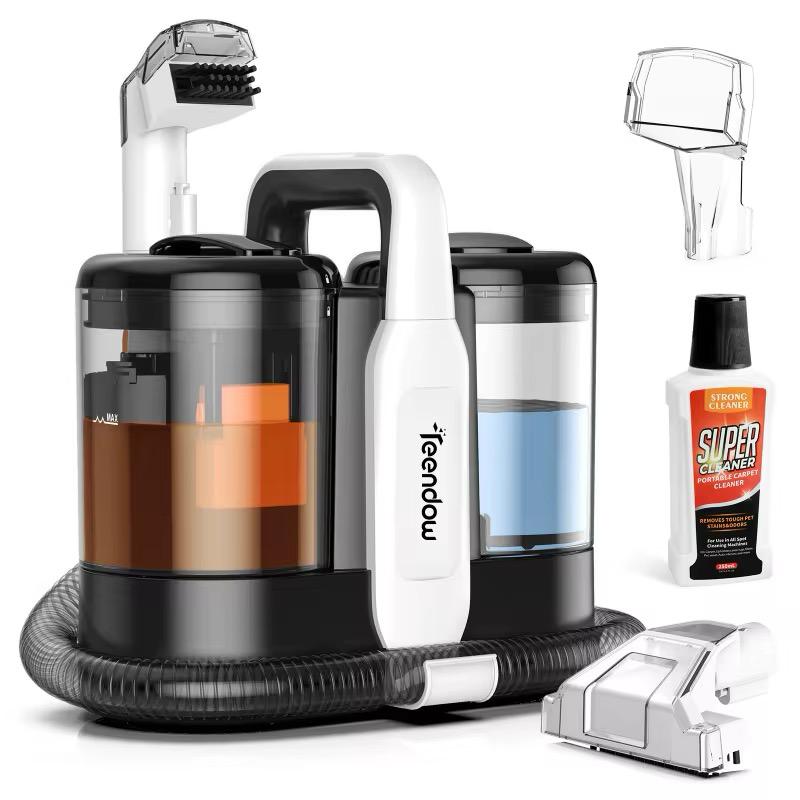
Vacuum Regularly: This is crucial for removing pet hair, crumbs, and dust before they become embedded. A good vacuuming session once or twice a week can make a huge difference.

Blot, Don’t Rub: When spills happen (and they will!), always blot the stain with a clean cloth, rather than rubbing. Rubbing can spread the stain and push it deeper into the fabric fibers.

Immediate Stain Treatment: Keep a good quality upholstery cleaner on hand for those inevitable spills. For natural Ghanaian stains like palm oil or garden egg stew, a mixture of mild soap and water, or specific stain removers designed for oil, might be needed. Always test on an inconspicuous area first.

4. Setting Boundaries and Training: For Well-Behaved Occupants

Consistency is key, whether you’re dealing with a curious toddler or a playful puppy.

Designated Play Areas: Create a dedicated play area for children, away from your most precious upholstered pieces.

Pet Training: Teach pets early on what furniture they are allowed on (if any) and provide them with their own comfortable beds or mats. Provide scratching posts for cats to redirect their natural instincts away from your sofa.

Snack Zones: Encourage children to eat and drink only at the dining table or in designated “snack zones” to minimize spills on upholstered furniture.

5. Consider Outdoor Furniture Indoors: A Practical Ghanaian Hack

Many Ghanaians embrace the practicality of plastic or rattan furniture, especially on porches and balconies. For some high-traffic areas, or even specific rooms like a family den, considering sturdy, easily cleanable outdoor-style furniture (perhaps with comfortable, removable cushions) can be a clever way to blend durability with comfort.

Protecting your upholstery from the delightful chaos of pets and kids is an ongoing effort, but it’s entirely achievable. By making smart choices, implementing simple strategies, and being consistent, you can enjoy a beautiful, comfortable home that stands up to the demands of Ghanaian family life.

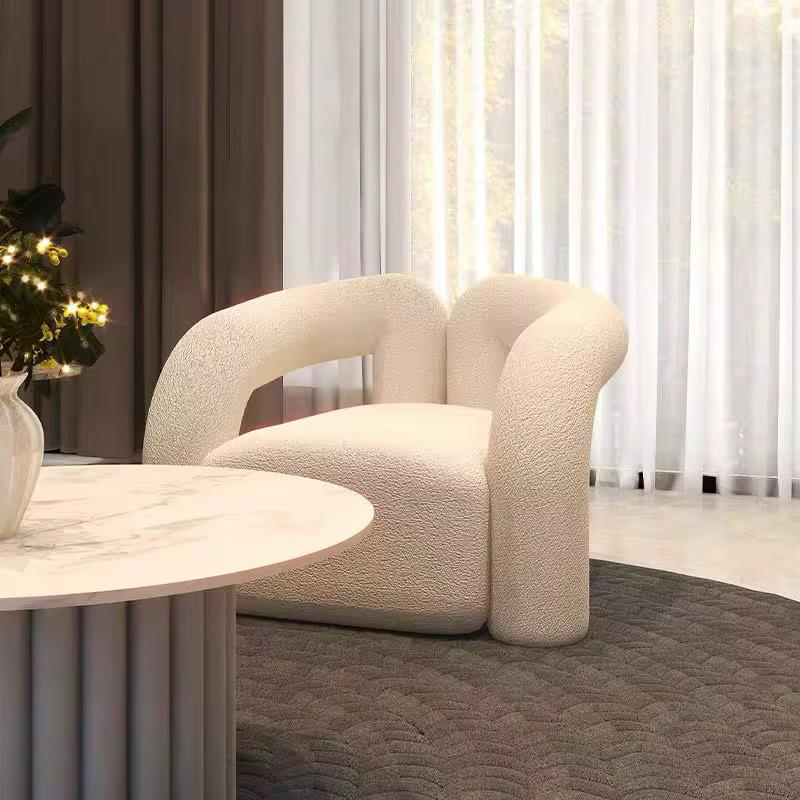
The Power of an Accent Chair: Transforming a Bland Corner

Ever stared at a neglected corner in your home, feeling a pang of design despair?

It’s too small for a bookshelf, too awkward for a large plant, and simply… empty.

Fear not, fellow home decorators! The humble accent chair is here to rescue your bland corners and transform them into stylish, functional, and inviting spaces.

​An accent chair isn’t just a place to sit; it’s a statement piece, a pop of personality, and a secret weapon in the battle against boring decor. Here’s how this versatile piece of furniture can revolutionize your home:

​1. Instant Visual Interest and Depth

​A well-chosen accent chair immediately breaks up the monotony of a bare wall or an empty expanse of floor. It adds a focal point, drawing the eye and creating visual interest where there was none before. Think of it as a piece of art that you can also sit on!

​Imagine a plain white wall. Now, envision that same wall with a vibrant velvet accent chair nestled against it. The difference is remarkable. The chair introduces texture, color, and a sense of purpose to the space. It can make a room feel more layered and thoughtfully designed.

​2. A Splash of Color or Pattern

​Bored with a neutral palette? An accent chair is your perfect opportunity to introduce a bold burst of color or an intriguing pattern without overwhelming the entire room. Want to try out a trendy emerald green or a playful geometric print? An accent chair allows you to experiment with these elements in a contained way.

​This is especially effective in rooms with a more subdued color scheme. A bright yellow or rich navy accent chair can inject life and energy, making the space feel more dynamic and inviting.

​3. Creating a Cozy Nook

​That once-ignored corner can become your favorite spot in the house with the addition of an accent chair, a small side table, and a good reading lamp. Suddenly, you have a designated area for quiet contemplation, catching up on a book, or enjoying a cup of coffee.

​This “nookification” is incredibly powerful. It transforms an unused space into a functional and desirable one, adding value and comfort to your home. Add a soft throw blanket and a decorative pillow, and you’ve got a truly irresistible retreat.

​4. Defining Zones in Open-Concept Living

​In open-concept homes, defining different functional zones can be a challenge. An accent chair can subtly help delineate areas without the need for walls or large dividers. Placing an accent chair with a small rug can visually separate a reading corner from a living room, or an entryway from a dining area.

​This creates a sense of order and purpose within a larger space, making it feel more organized and less overwhelming.

​5. Versatility and Adaptability

​The beauty of an accent chair lies in its versatility. It can be moved easily to accommodate different needs or moods. Need extra seating for guests? Pull it closer to the main living area. Want to reconfigure your space for a fresh look? The accent chair can adapt.

​Furthermore, there’s an accent chair for every style imaginable, from sleek mid-century modern designs to plush, traditional armchairs, and quirky, contemporary pieces. You’re sure to find one that perfectly complements your aesthetic.

​Don’t let those forgotten corners collect dust any longer. Embrace the transformative power of an accent chair and watch as your home takes on a new level of style, comfort, and personality. It’s a small change that yields big design dividends.

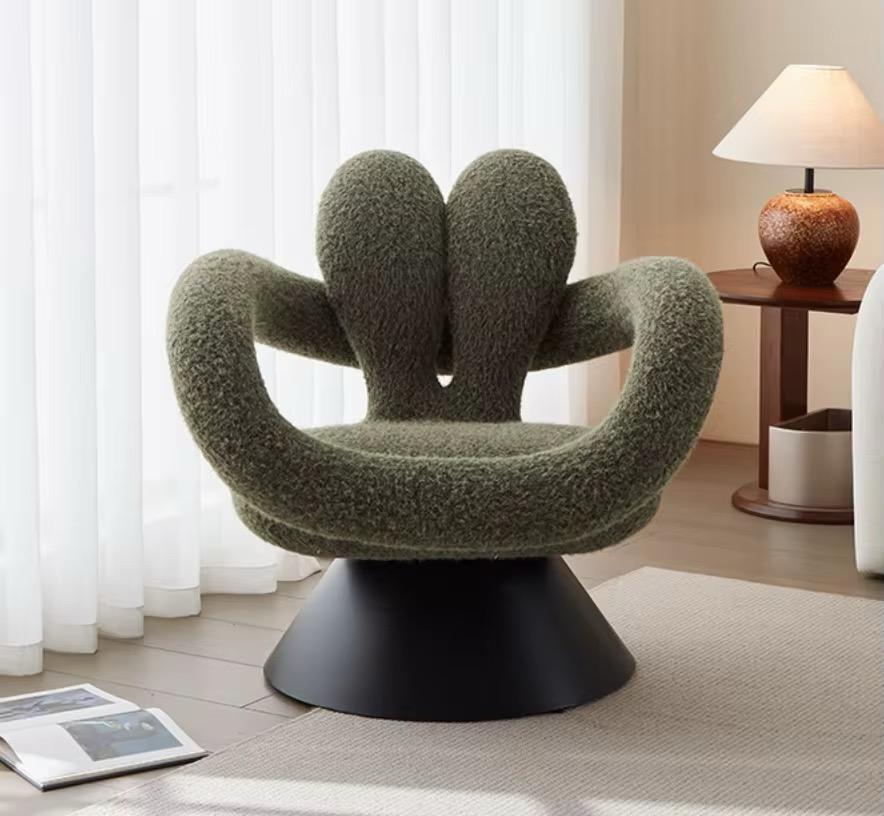
​Here are some inspiring accent chair ideas to get you started:

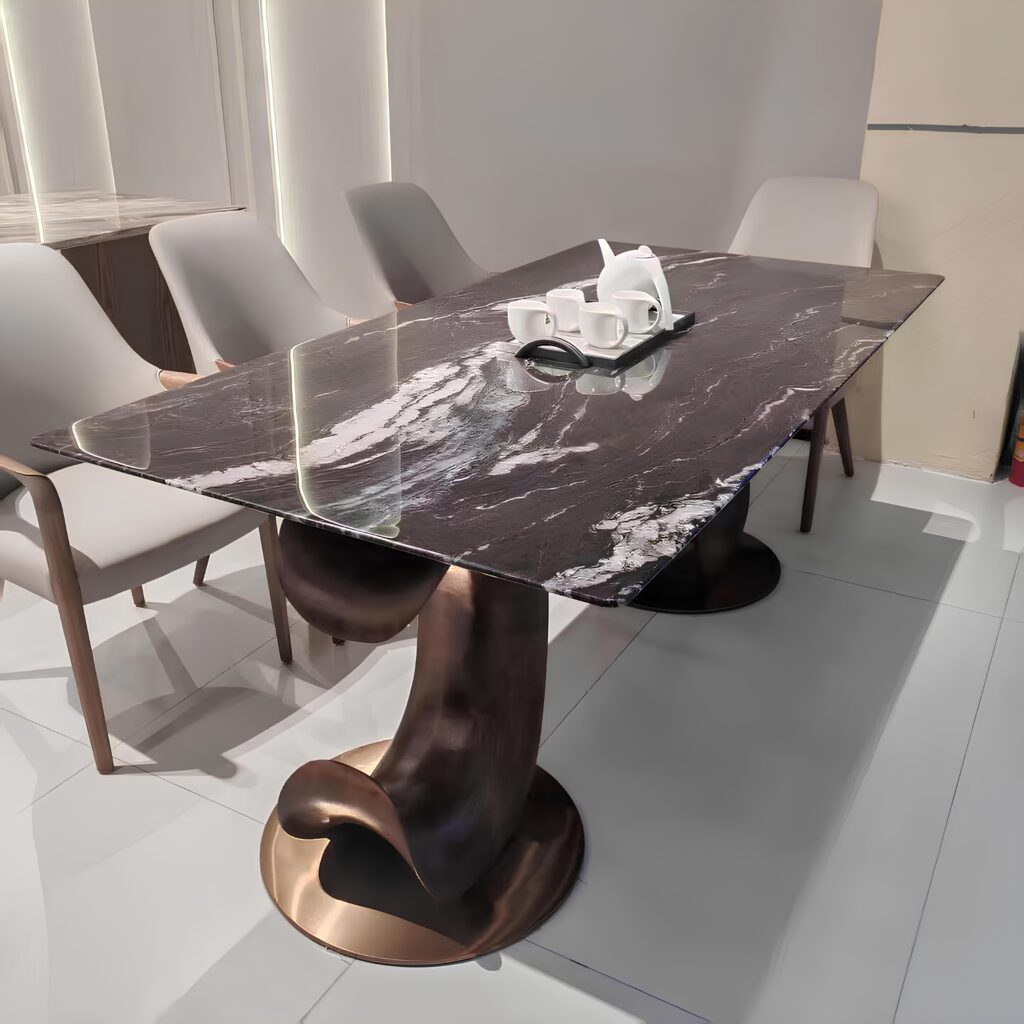
Caring for Royal Natural Wood Furniture

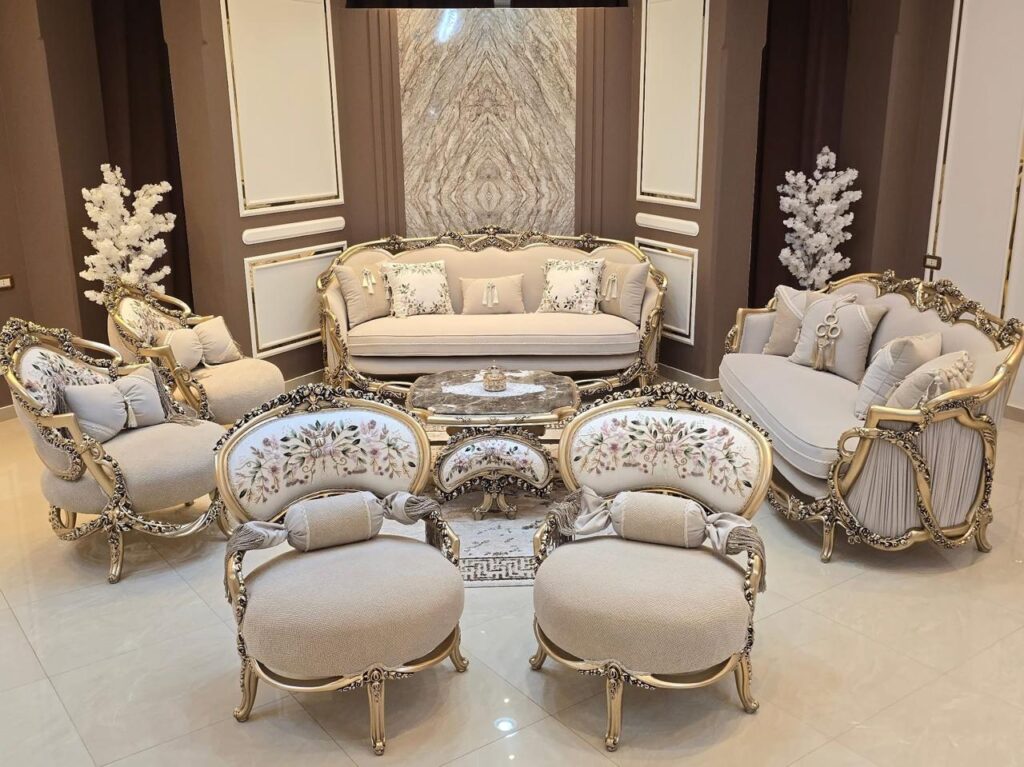
Royal-grade natural wood furniture, crafted from premium hardwoods like teak, mahogany, or walnut, is a masterpiece of durability and elegance. To preserve its “regal” stature, follow this refined maintenance guide.

The Essentials of Royal Care

Dusting: Use a soft microfiber cloth or a clean chamois. Avoid dry-dusting; a slightly damp cloth prevents micro-scratches on high-gloss or hand-rubbed finishes.

Climate Control: Natural wood is “alive.” Maintain a steady indoor humidity of 40–50%. Rapid fluctuations can cause royal-sized cracks or warping in solid wood panels.

Light Exposure: Protect deep pigments (like those in Rosewood or Mahogany) from direct sunlight to prevent uneven fading or “sun-bleaching.”

Protection & Maintenance

Surface protection : Always use felt-bottomed coasters and silk or linen runners to prevent heat marks and scratches.

Buffing : Buff with a dry, soft cloth to maintain the natural luster of the wood grain every month.

Waxing : Bi-Anually, apply a high-quality beeswax. Avoid silicone-based sprays, which leave a cheap, sticky residue.

Specialized Tips for Premium Finishes

Carvings: For intricate royal engravings, use a soft-bristled natural makeup brush or a vacuum with a brush attachment to remove dust from hard-to-reach crevices.

Spills: Blot (don’t rub) liquids immediately. Natural wood is porous; even a small spill can penetrate the finish if left sitting.

Pro Tip: Always wipe in the direction of the grain. Rubbing against the grain can disrupt the fibers and dull the wood’s natural “chatoyancy” (that shimmering, three-dimensional look).


​Inside the Perfect Sit: The Anatomy of a Quality Sofa Cushion.

When you buy a sofa, you’re really buying the engineering inside the cushions. A “high-quality” sit isn’t an accident; it’s a three-layer sandwich of support, resilience, and loft.

1. The Core: High-Resilience (HR) Foam

Think of this as the sofa’s skeleton.

The Quality Marker: Look for High-Resilience (HR) foam with a density of 2.0 lbs or higher.

The Function: Cheap foam has large air bubbles that collapse quickly (leading to “puddling”). HR foam has a tighter cell structure that provides a consistent “push back” and maintains its shape for a decade rather than a season.

2. The Muscle: Pocket Coils (Optional but Optimal)

Some premium cushions borrow technology from high-end mattresses.

The Build: Small, individually wrapped steel springs are nested inside the foam core.

The Function: This provides a “springy” response that foam alone can’t replicate. It prevents the foam from bottoming out and adds significant longevity to the cushion’s profile.

3. The Skin: Feather & Down Wrap

This is the secret to that immediate “cloud-like” feeling.

The Build: The foam core is wrapped in a “jacket” filled with a blend of duck/goose feathers and down.

The Function: Foam provides the structure, but feathers provide the luxury loft. A 100% foam cushion feels stiff; a feather wrap allows you to sink in just enough while the core keeps you supported.


10 Inspiring Living Room Layouts for Small Apartments.

Maximizing a small living room is all about tricking the eye and prioritizing multifunctionality. When square footage is at a premium, the goal is to create “zones” without making the room feel like a storage unit.

Here are 10 inspiring layouts to help you reclaim your space:

1. The “Floating” Layout

Instead of pushing all your furniture against the walls (which actually highlights the room’s boundaries), pull your sofa a few inches away from the wall. This creates “breathing room” and makes the space feel deeper than it is.

2. The Multi-Zoning Corner

If your living room also serves as your office, place an L-shaped sectional in one corner and a small desk in the other. Use a large area rug to anchor the seating area, visually separating it from the “work zone.”

3. The Mirror Effect

Place a large floor mirror directly across from your main window. This reflects light and views, effectively “doubling” the perceived size of the room. Pair this with low-profile furniture to keep the sightlines clear.

4. The “Leggy” Look

Choose furniture with exposed legs rather than “skirted” bases or heavy blocks. Being able to see the floor underneath your sofa and chairs creates an airy, open feel that keeps the room from looking cluttered.

5. The Vertical Library

In a narrow room, use floor-to-ceiling shelving on one wall. By drawing the eye upward, you emphasize the ceiling height rather than the narrow floor space. You can even tuck a TV or a small desk into the shelving unit.

6. The Back-to-Back Setup

In an open-concept studio, place your sofa with its back to the dining area or bed. This acts as a soft room divider, creating a clear “living room” identity without the need for bulky walls or screens.

7. The Circle of Conversation

Swap a traditional sofa for four comfortable armchairs arranged around a central circular coffee table. This is perfect for narrow or awkwardly shaped rooms where a long sofa won’t fit, and it makes the room feel like a high-end lounge.

8. The Window Nook

If you have a large window, place two chairs facing it with a small table in between. This uses the window as a natural focal point and frees up the center of the room for movement.

9. The Ottoman Central

Replace a heavy coffee table with two or three upholstered ottomans. They can serve as a table (with a tray), extra seating for guests, or footrests. They are easy to move around depending on your needs.

10. The Transparent View

Utilize “ghost” furniture made of acrylic or glass. A glass coffee table or acrylic side chairs provide the functionality you need without taking up any visual weight, making the layout feel virtually empty while remaining fully furnished.


Hot Right Now: The Top Furniture Trends of 2026

1. The “Soft Office”

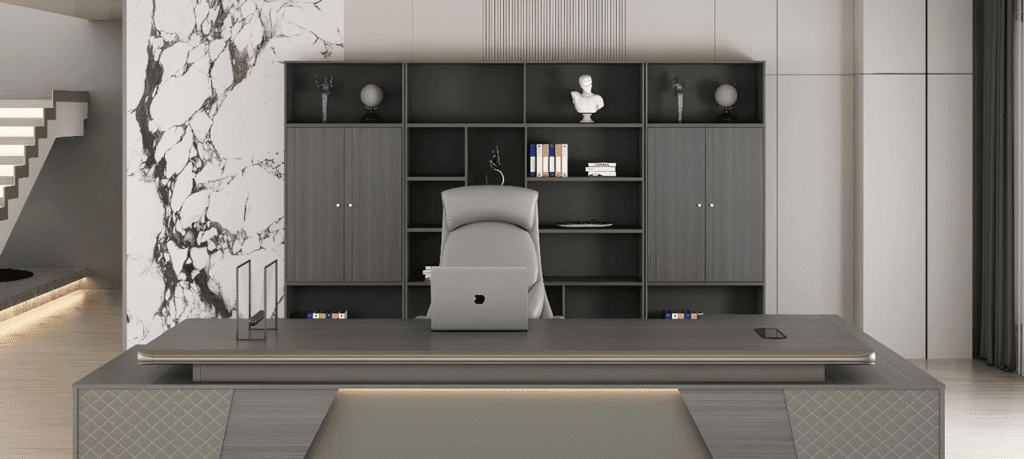
With remote work here to stay, the home office is shedding its rigid, corporate feel. The trend is toward warm, inviting workspaces: ergonomic wooden desks with rounded edges, plush upholstered task chairs in calming colors, and integrated living-edge shelves that blend work with wellness.

2. Tactile & Textured Everything

Forget cold, perfect surfaces. This year is about touchable authenticity. Deeply grained solid wood, fluted and channeled details on cabinets and headboards, handmade ceramic lamps, and nubby bouclé fabrics. Furniture isn’t just to look at, it’s to feel.

3. Adaptable & Fluid Spaces

Furniture is becoming multi-functional to suit our dynamic lives. Look for modular sofas you can reconfigure, expandable dining tables for easy entertaining, and stylish room dividers with integrated shelving. Every piece is designed to adapt to your day.

4. Conscious Curation Over Fast Furniture

The most significant trend isn’t a style, it’s a mindset. Buyers are choosing fewer, better things. They’re investing in handcrafted, natural wood furniture that tells a story and lasts for decades, rejecting disposable pieces. It’s a return to meaning, material honesty, and legacy.

Why 2026’s Trends Point to Natural Wood

Notice a theme? Each trend, relies on the warmth, authenticity, and longevity of real, solid wood. It’s the only material that ages with grace, tells your story, and grounds these trends in timelessness.

At Iboohoo Furniture, we don’t follow fleeting trends, we create enduring pieces that let you live them.

Ready to bring 2026 home? Visit our showroom to explore collections designed for the way we live now, built to last for generations.

Iboohoo Furniture: Old Prices, Modern Quality

Why Natural Wood is Your Smartest Choice.

Natural Wood – Grows stronger with time. It handles our humidity and Harmattan beautifully. Scratches can be fixed. It breathes with our climate.

Solid Wood – Layers glued together. Good for flat surfaces, but edges chip, moisture swells it, and it can’t be refinished like real wood.

MDF – Pressed wood dust: The enemy of Accra’s humidity. One spill can ruin it forever. It’s disposable furniture.

The Choice for a Ghanaian Home

At Iboohoo Furniture, we build with natural wood because it’s the only material that:

  • Lasts generations, not just seasons
  • Can be repaired and refinished again and again
  • Actually becomes more beautiful as it ages
  • Stands strong in our unique climate

Why buy furniture you’ll replace when you can invest in pieces that become part of your family’s story?

Feel the difference at our Accra showroom. Touch the grain of real wood, lift a drawer made from natural wood, and own something that won’t just furnish your house, it will honour your home.

Iboohoo Furniture: Old Prices, Modern Quality

Visit our showroom in Accra or message us to start your heirloom piece today.


0
Back to Top

Search For Products

Product has been added to your cart
Compare (0)